
Basements · Seasonal
Can foundation cracks be fixed in an Illinois winter
Most crack repair does not wait for spring. What has to wait is digging, and why temperature, not the calendar, decides the rest.
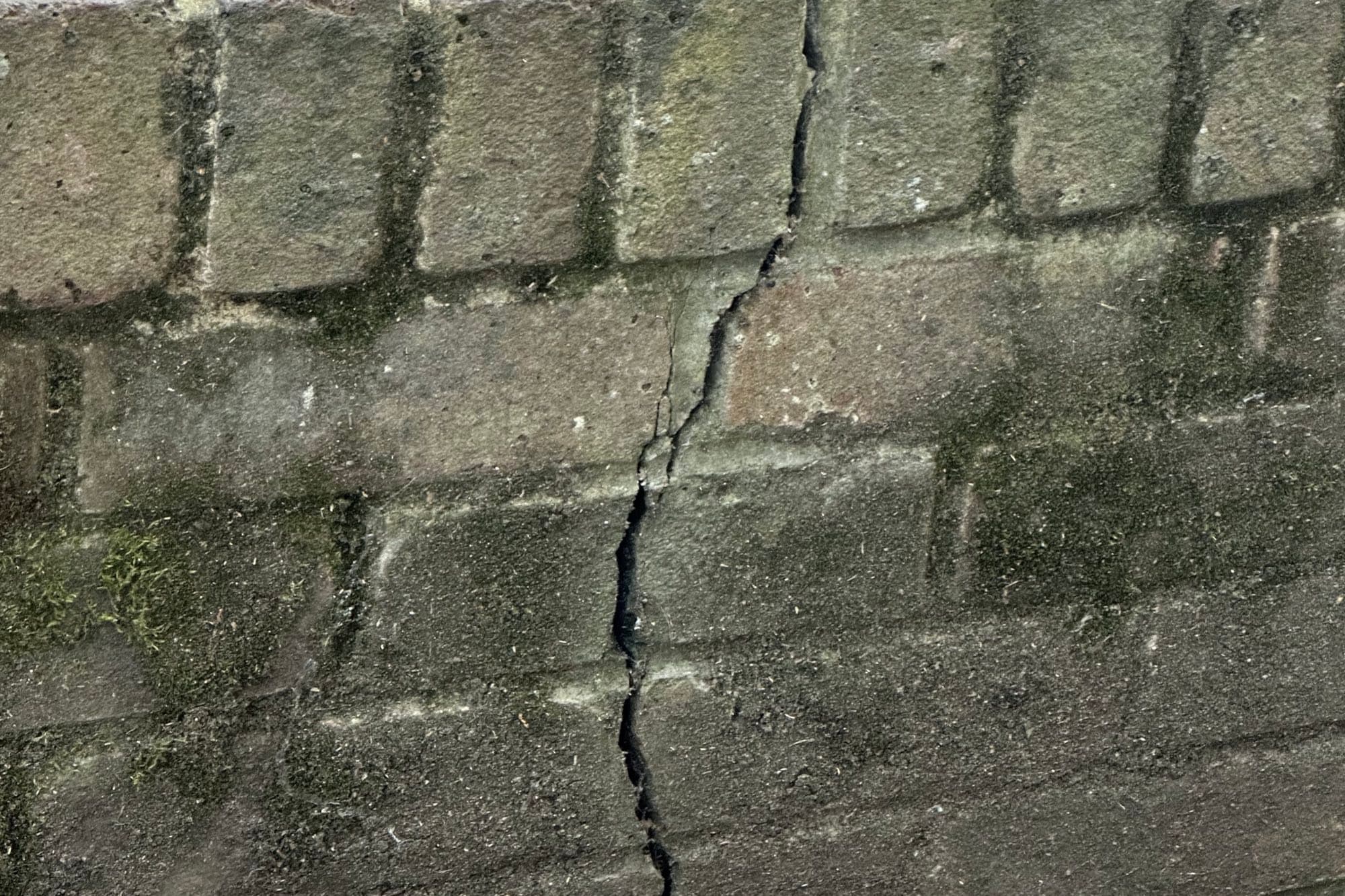
A crack in the foundation wall does not wait for good weather, and neither does the water coming through it. The good news: most crack repair does not need to wait for spring either. What has to wait is the digging.
Why a crack looks worse by the end of winter
Water that gets into a crack and freezes expands by about 9%, pushing outward on the concrete around it (Today’s Homeowner). It does that every time the temperature crosses freezing, not just once, so a hairline crack from October can be noticeably wider, and leaking more, by February. A single Illinois winter can put a wall through dozens of those freeze-and-thaw swings, not one, which is why a small drip in January is often a steadily bigger one by March if nothing is done. That is a reason to have a crack looked at earlier in the season rather than later, not a reason to wait for spring.
Why digging waits, and injection usually doesn’t
Exterior excavation, the kind that exposes a foundation wall from the outside to treat it directly, needs ground that can actually be dug and materials that can actually cure. Frozen soil is hard to excavate and slow to work with, and a waterproof coating or membrane needs a dry surface and above-freezing conditions to bond correctly (Basement Moisture Lab). Frost commonly runs 10 to 20 inches deep across Illinois in an ordinary winter, and has been recorded as deep as 30 inches in the far north of the state (Illinois State Climatologist), so that is not a short list of bad-weather days. It is most of the season.
Crack injection is different. It works from inside the basement, through the existing wall, so it does not depend on the ground outside at all. What it depends on is temperature, just a narrower range than most people expect.
What crack injection is, and why temperature matters
Crack injection fills a crack with a resin, either polyurethane or epoxy, pumped in under low pressure through a series of ports set along the crack. Polyurethane expands and stays flexible, which suits a crack that is still seeping. Epoxy cures rigid and bonds close to the strength of the surrounding concrete, which suits a crack that needs to be structurally closed, not just sealed.
Both are sensitive to cold. One widely used epoxy crack-injection product states a minimum application temperature of 40°F, with a maximum of 95°F, on its own manufacturer data sheet (Sikadur Crack Fix product data sheet). Even within that range, cold slows the chemistry down: the same data sheet shows the resin reaching about 9,000 psi of compressive strength after three days at 73°F, but only about 4,000 psi over that same three days at 40°F. It gets there eventually, just not on the same schedule. Exact cutoffs vary by product and by resin type, but about 40°F for most injection products is the number worth knowing before assuming a crack has to wait (Basement Moisture Lab).
That is a basement wall’s temperature, not the outdoor forecast. A heated or semi-heated basement often stays well above 40°F on the coldest day of the year, even when the yard outside is frozen solid.
What can happen now, and what waits
- Now, most winter days: crack injection, as long as the wall itself is above the product’s cutoff.
- Now, as an emergency measure: hydraulic cement, which is built to set in cold, wet conditions and can cure with water actively present (Basement Moisture Lab).
- Waits for spring: anything that needs excavation, exterior membranes or regrading, because the ground has to thaw first.
The stopgap right at the cutoff
If a wall is right at the edge, too cold for a clean injection but leaking now, hydraulic cement is the tool for that moment. It sets in minutes, often three to five, and is made to work wet rather than despite the water (Basement Moisture Lab). It is a stopgap, not a finished repair, but it buys time until conditions allow the injection to be done properly. Once the wall warms back up, whether that is a mild stretch in February or the ground thawing in spring, the stopgap gets replaced with the actual injection rather than left as the permanent answer.
When to call instead of guessing
Not every crack needs injection. Hairline vertical cracks are common as concrete cures and settles, and plenty never leak at all. The ones worth a call are actively wet, growing, or running horizontally instead of straight up and down, since a horizontal crack points to soil pressure on the wall rather than ordinary shrinkage.
A homeowner has no easy way to check a basement wall’s actual surface temperature, or to tell a crack that just needs sealing from one that points to a larger problem. Waterproofing and crack repair start from the same first visit: find where the water is coming from, look at the crack itself, and say plainly whether it is a today job or a spring job, rather than guess from a photo or a description over the phone.
Not every wet spot is a crack in the first place. See interior drain tile vs exterior excavation for how we tell the difference and what each fix actually costs.
If you have a crack that is active right now, tell us what’s going on.