
Heating and cooling a finished basement in Algonquin, Illinois
A finished basement needs heat and air of its own: ducts carried into the new rooms, or a zone with its own thermostat. Without it, the new room is often the coldest in the house.
Serving Algonquin, Crystal Lake, St. Charles, Geneva and Vernon Hills.
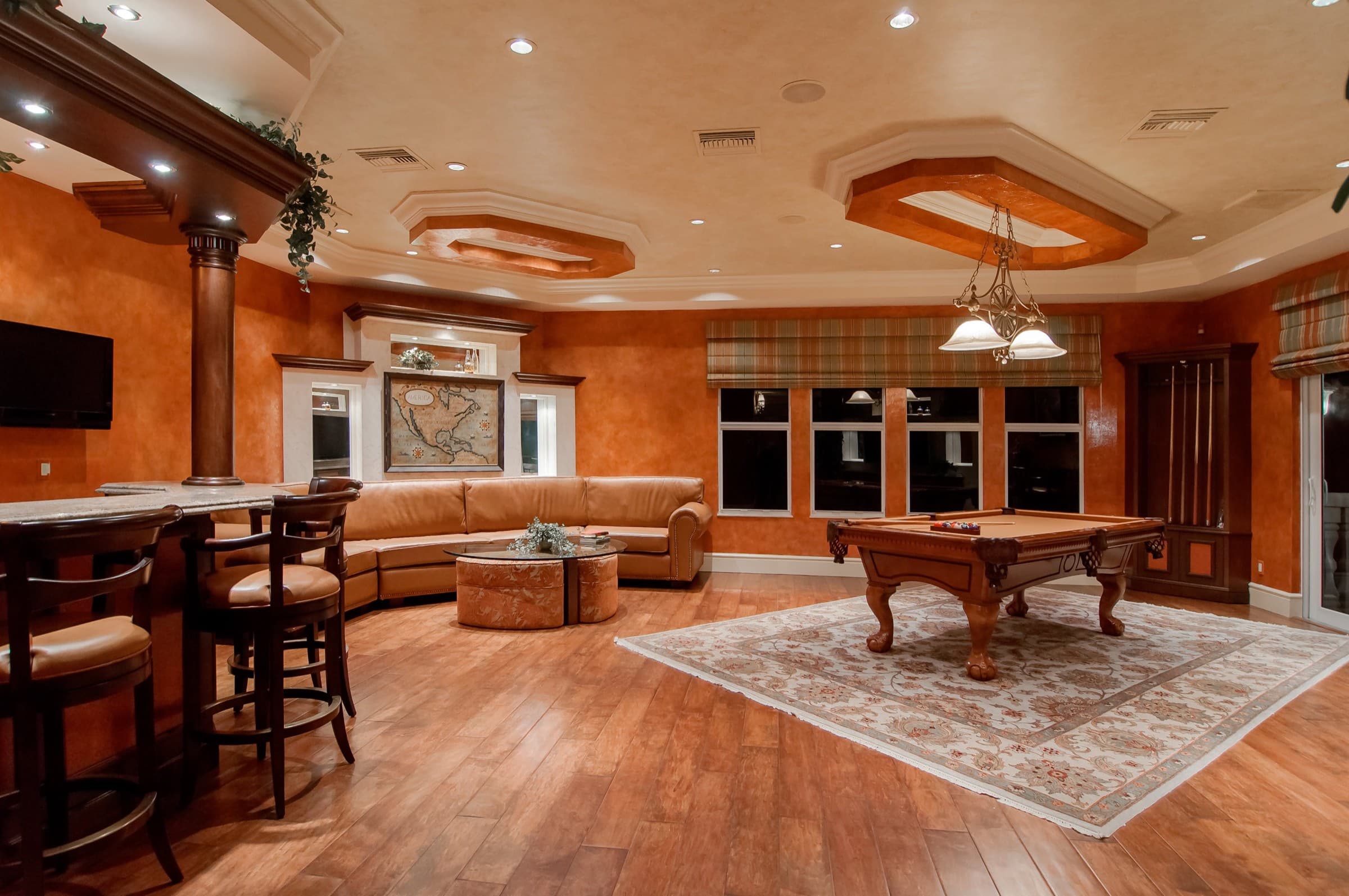
Signs your basement needs its own heat
- The basement is cold even when upstairs is warm
- You’re planning to finish the basement and haven’t thought about heat yet
- The basement is finished, but nobody wants to sit down there in winter
- Space heaters are doing the work
What’s included
A check of the furnace
Its size and age, and whether it can heat the extra space. A finished floor adds load, and a furnace that is already marginal will leave the basement cold.
Supply and return runs
Ducts extended into the new rooms, with a return so the air actually circulates.
Or a zone
Its own thermostat, and dampers in the ducts, so the basement is heated and cooled on its own schedule.
Ducts routed to save height
Run in soffits along the edges where possible, so the rest of the ceiling keeps its height.
The permit
Algonquin’s rules for a basement finish ask for supply and return air to every habitable room, or heat that can hold 68°F. We check your town’s rules, and the permit is part of the job.
How it works
- 1
We check the furnace first
Its size and age, and whether the ductwork can reach the new rooms.
- 2
We plan the runs with the layout
Before the ceiling goes up, so nothing has to be cut open later.
- 3
A written estimate
Ducts or a zone, what each costs, and whether the furnace can carry the extra space.
- 4
The work goes in with the finish
Ducts are run after framing and before drywall. In a basement that is already finished, the estimate says what has to be opened up.
- A
- The furnace, sized for the house as it will be, finished basement included.
- B
- Supply duct carried in a soffit, so the rest of the ceiling keeps its height.
- C
- A supply register into the new room.
- D
- A return, so the air in the room actually circulates.
How it’s priced
We price basement heat and air after we’ve seen the space. How far the ducts have to run, and whether you add a zone, move the price most.
If the furnace can’t carry the extra space, replacing it is a separate job, and you will hear that before you sign.
What moves the price
- How far the new runs have to go
- Ducts extended, or a zone with its own thermostat
- Whether the basement is already finished
- Whether the furnace can carry the extra space
You get a written, itemized estimate after we’ve looked, and nothing starts until you’ve signed it.
Why us for this job
The furnace gets checked first
A finished floor adds load. We check the furnace’s size and age before we plan the ducts, so the new room isn’t left cold.
Planned before the ceiling goes up
When heat is planned with the finish, ducts go where they cost the least headroom, and nothing has to be cut open later.
One plan, not two contractors
If we’re finishing your basement, the heat is part of the same plan and the same estimate.
Questions about basement heating and cooling
Why is my basement cold when the rest of the house is warm?
Often because little of the furnace’s warm air reaches it. Supply and return runs, or a zone of its own, is how that gets fixed, and we check the furnace first to make sure it can carry the extra space.
Do I need to heat my basement?
If you’re finishing it to live in, yes. Algonquin’s rules for a basement finish ask for supply and return air to every habitable room, or heat that can hold 68°F.
Can my furnace handle a finished basement?
Maybe. A finished floor adds load, and a furnace that is already marginal will leave the basement cold. We check its size and age on the first visit.
Ducts or a zone: which is right?
Extending ducts works when the furnace has room to spare and the basement can share the upstairs thermostat. A zone gives the basement its own thermostat, which helps when it runs colder than the rest of the house.
Can this be done in a basement that’s already finished?
Yes, though some ceiling or wall may have to be opened to run the ducts. The estimate says exactly where.
Related services
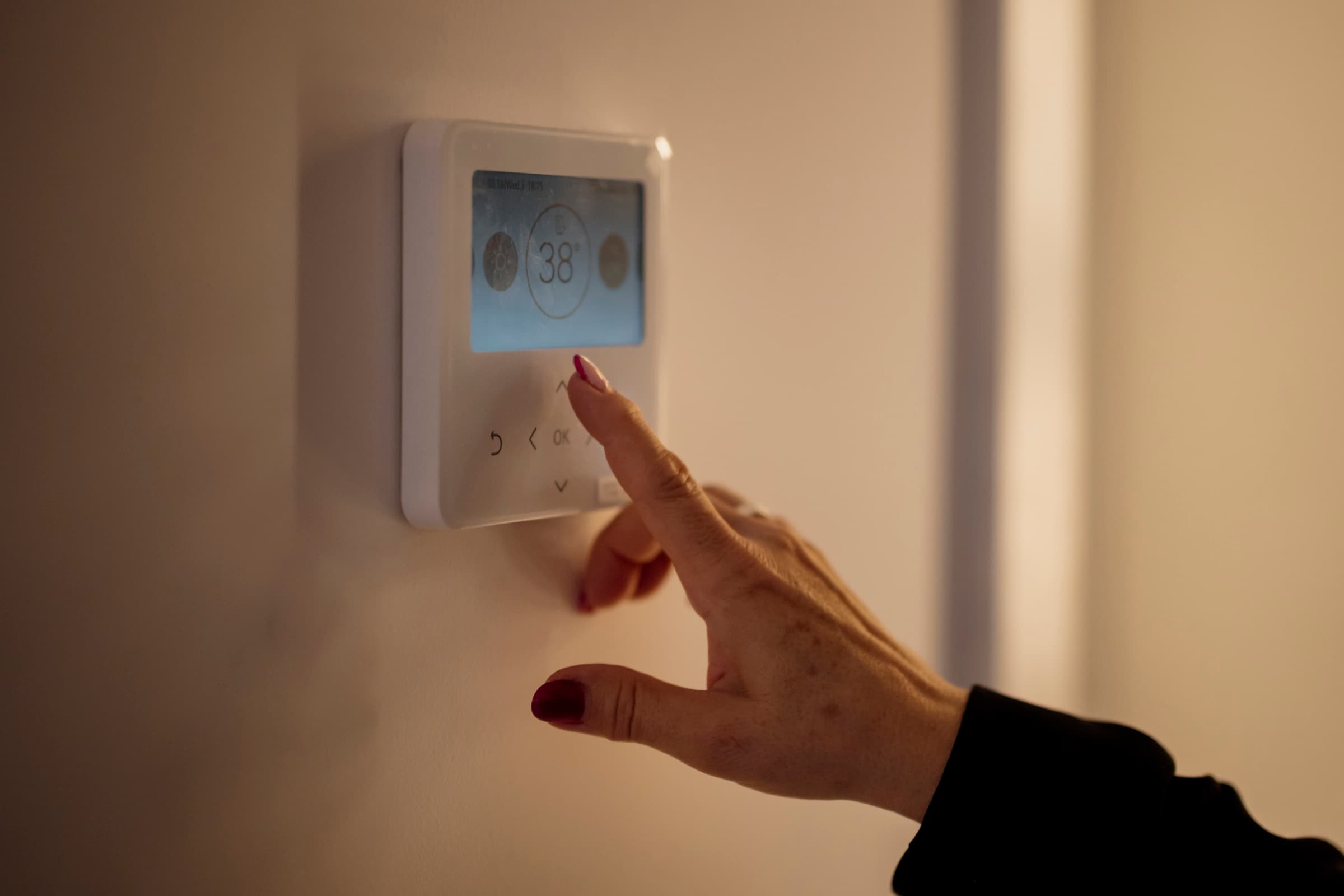
Furnace replacement
A new furnace sized to your house, with the permit.
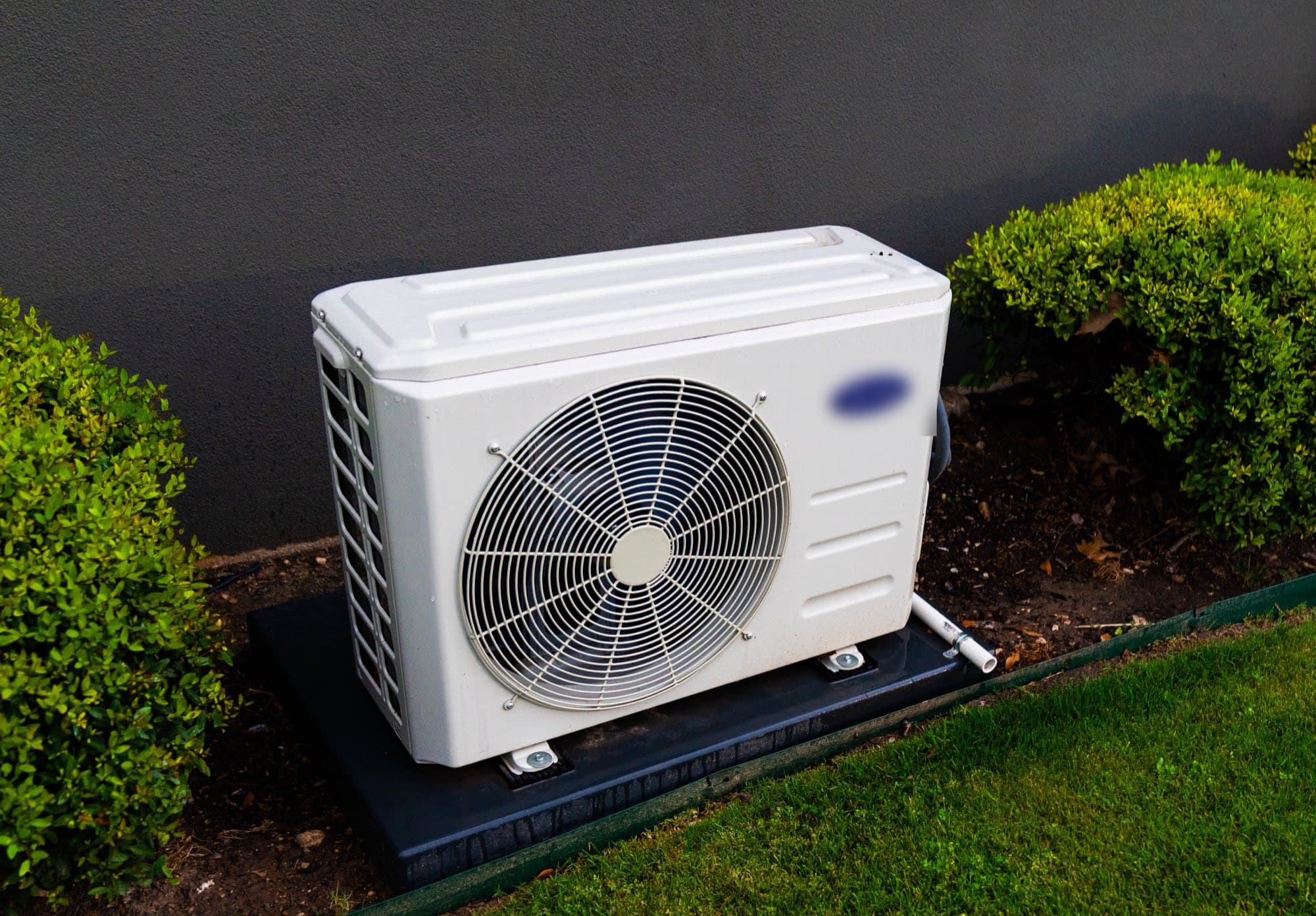
Air conditioning
Central air installed or replaced, matched to your ductwork where it can be.
From the blog
All heating and cooling articlesHeating and cooling · Hiring
How to compare furnace replacement estimates beyond the price
A homeowner checklist for comparing equipment, sizing, installation scope and handover details in a furnace replacement estimate.
Heating and cooling · Seasonal
Illinois furnace rebates for 2026, and why the federal tax credit is gone
What's actually available for a new furnace this year, checked directly against each source, and what to skip until it's real.
Heating and cooling · Comparison
Repair or replace: when an old furnace is worth fixing
The two numbers that actually decide it: your furnace's age, and what the repair costs against a new one.
A cold basement, or a furnace on its way out?
Tell us what you have and what it’s doing. We’ll look at the system and give you a written estimate.
Someone from our team calls or texts to set up a visit.