
Basement waterproofing in Algonquin, Illinois
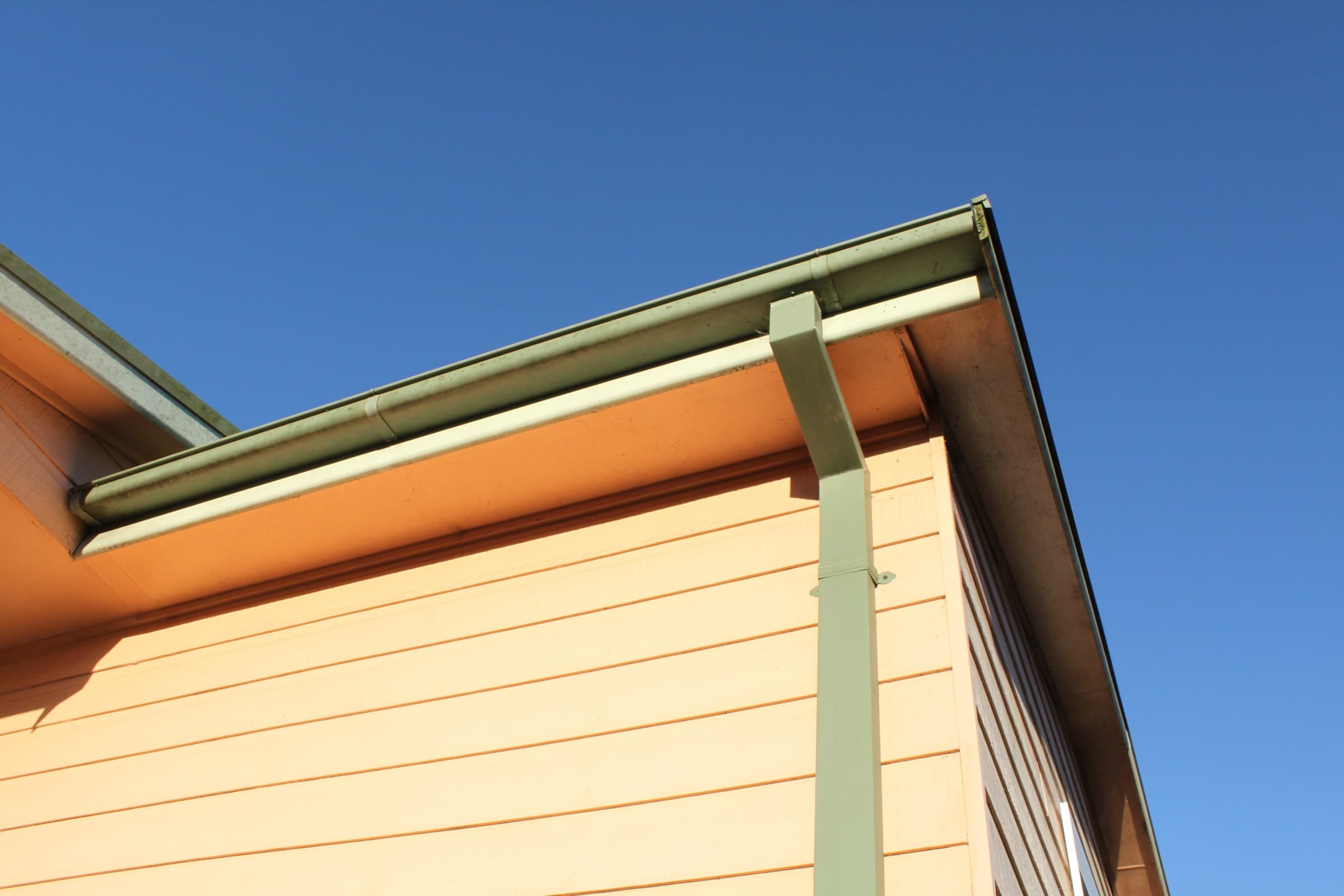
Find where the water gets in, then stop it there. We look outside before we price anything inside, because the fix depends on where the water comes from.
Serving Algonquin, Crystal Lake, St. Charles, Geneva and Vernon Hills.
Water coming in right now?
We don’t run an emergency service. If water is still coming in, call a company with an emergency line first, and stay out of standing water near outlets or the electrical panel. Once it has stopped, we find where it gets in and price the fix.
Signs your basement is taking on water
- Water puddling on the floor after heavy rain or a quick snowmelt
- A damp line along the bottom of the wall
- A musty smell as soon as you walk downstairs
- White, chalky residue on the concrete
- Paint or coating peeling off the lower wall
- Water coming in under a basement window
What’s included
The fix depends on where the water gets in, so the job starts by finding out.
Finding where the water gets in
Inside and out: the walls, cracks, window wells and the joint where the wall meets the floor, then the gutters, downspouts and the slope of the ground.
Interior drain tile
A perforated pipe laid in gravel along the inside of the footing, below the floor. It collects the water pushed in at the floor-wall joint and carries it away.
Crack injection
Leaking wall cracks sealed from inside. It works in temperatures down to about 40°F.
Hydraulic cement patching
For holes, gaps and wet spots in the concrete.
A straight answer about outside
If the water comes from gutters, downspouts or ground that slopes toward the house, we tell you, and that fix usually costs far less.
How it works
- 1
We look outside first
Gutters, downspouts, window wells and the slope of the ground. Illinois Extension recommends that the ground fall at least 4% away from a house.
- 2
Then we find the way in
Water shows up where it can get through: the floor-wall joint, a crack or a window well. Where it appears, and after what kind of weather, tells us which.
- 3
You get a written estimate
What we found, what we would fix first and what each part costs. If the answer is the gutters, that is what you will hear.
- 4
The fix goes in
For water at the floor-wall joint, drain tile goes in along the inside of the footing and the floor is concreted back over it. Cracks are sealed from inside.
- 5
Then the basement is ready to finish
If finishing is the plan, it can start once the water is dealt with. You can’t finish over a leak.
- A
- Gutters and downspouts that overflow, or empty right beside the wall.
- B
- Ground that slopes toward the house. Illinois Extension recommends at least a 4% slope away from it.
- C
- A window well that fills up and spills over the sill.
- D
- A crack in the wall. Most are shrinkage; horizontal ones need a closer look.
- E
- The floor-wall joint, where soil soaked by rain or snowmelt pushes water in from below.
- F
- Interior drain tile along the footing collects water at the joint and carries it away.
How it’s priced
We price the fix after we’ve found the cause. When it turns out to be gutters or grading, the fix can cost far less than drain tile, and we will say so.
If you have quotes that are far apart, the gap is usually a difference in what is included. An itemized estimate lets you compare them line by line.
What moves the price
- How many feet of wall need drain tile
- How many cracks need sealing
- Whether the cause is outside the house
- Whether finished walls or flooring have to come up first
You get a written, itemized estimate after we’ve looked, and nothing starts until you’ve signed it.
What can happen now, and what waits for spring
Any time of year
- Finding where the water gets in
- Interior drain tile along the footing
- Crack injection, down to about 40°F
- Hydraulic cement patching
Once the ground thaws
- Digging along the outside of the wall to seal it, which needs thawed ground. We don’t do exterior digging, but if your basement needs it, we will tell you why.
- Regrading the yard or burying downspout lines. That is outside work we don’t do either, and it may be all your basement needs.
Why us for this job
We look outside first
Home inspectors name clogged gutters and poor grading as the two most common preventable causes of a wet basement. We check both before we price anything inside.
We tell you what drain tile won’t fix
Drain tile deals with water pushed in at the floor-wall joint by soaked soil. It does nothing for a gutter that overflows or a yard that slopes toward the house.
One person answers for the job
We measure, write the estimate and manage the work through to the end. An insured subcontractor does the work itself.
Questions about basement waterproofing
Is it always drain tile?
No. If the water comes from gutters, downspouts or ground sloping toward the house, fixing that usually costs less, and we will tell you. Drain tile is for water pushed in at the floor-wall joint by soaked soil.
Why does my basement leak when it rains?
The ground around here drains slowly, so after heavy rain or snowmelt the soil against the wall stays soaked and pushes water through any gap it can find. Overflowing gutters and ground that slopes toward the house make it worse.
Do I need to waterproof from the outside?
Sometimes. Interior drain tile deals with water pushed in at the floor-wall joint, but some problems are better fixed outside the wall. We don’t do exterior digging, so when that is the right answer, we will say so rather than sell you the inside fix.
Can you waterproof a basement in winter?
Inside, yes. Drain tile, crack injection and patching are indoor work, and winter is the quiet season for them, so they are easier to schedule than in the spring rush. Anything that needs digging outside waits for the ground to thaw.
Should I waterproof before finishing the basement?
If you have seen water at all, yes. Drywall and flooring hide a leak until it has done damage, and fixing it costs more once the room is built.
What is the white powder on my basement wall?
Efflorescence: salts left behind when water moves through concrete and dries. It isn’t harmful on its own, but it tells you water is getting through that wall.
Related services
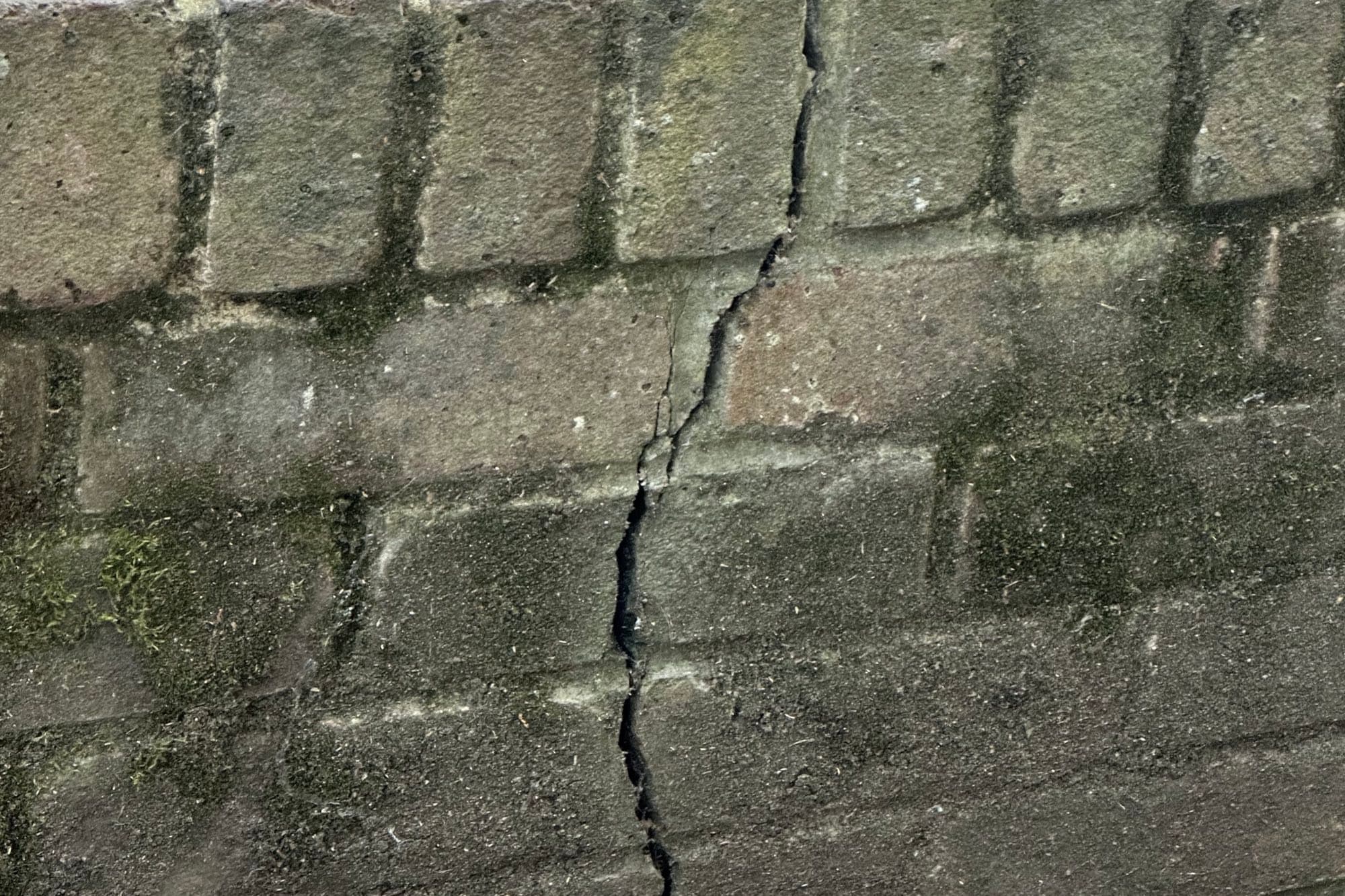
Foundation crack repair
Leaking cracks sealed from inside, in weather down to about 40°F.

Basement finishing
Framing, insulation, drywall, flooring and lighting, with the ceiling height measured first.

Egress windows
An escape window and well for a basement bedroom, measured any time and dug once the ground thaws.
From the blog
All basements articles
Basements · Comparison
Interior drain tile vs exterior excavation: which fixes a wet basement
Interior drain tile and exterior excavation solve a wet basement in different places, at very different costs. What each one actually does.
Basements · Diagnosis
Why basements leak around Algonquin, and how to find where yours gets in
The ground here drains slowly, and water has only a few ways into a basement. How to tell which one you have before you pay for a fix.

Basements · Cost guide
What drives basement finishing cost beyond square footage?
Why two basements of the same size can need different budgets, and how to compare scope before choosing finishes.
Water down there, or ready to finish it?
Tell us what’s going on. We’ll come out, find the cause, measure and give you a written estimate.
Someone from our team calls or texts to set up a visit.