Basements · Diagnosis
Why basements leak around Algonquin, and how to find where yours gets in
The ground here drains slowly, and water has only a few ways into a basement. How to tell which one you have before you pay for a fix.
Most wet basements around Algonquin aren’t a mystery. The ground here drains slowly, and water reaching a foundation has only a handful of ways in. Working out which one you have decides the fix, and some of those fixes cost far less than others.
The ground here holds water
Much of McHenry and Kane counties sits on material the glaciers left behind: silty soil over dense, clay-rich till that drains slowly. Some of the most common local soils, such as the Ozaukee series, hold a perched water table 2 to 3½ feet below the surface for a month or more in most years (USDA soil survey). That puts the water level well above the floor of a typical basement.
When the soil against a wall is saturated, it pushes on the foundation the way water pushes on a dam. The deeper the wet soil, the harder the push: about 0.43 pounds per square inch for every foot of depth. That pressure finds any gap it can.
Five ways water gets in
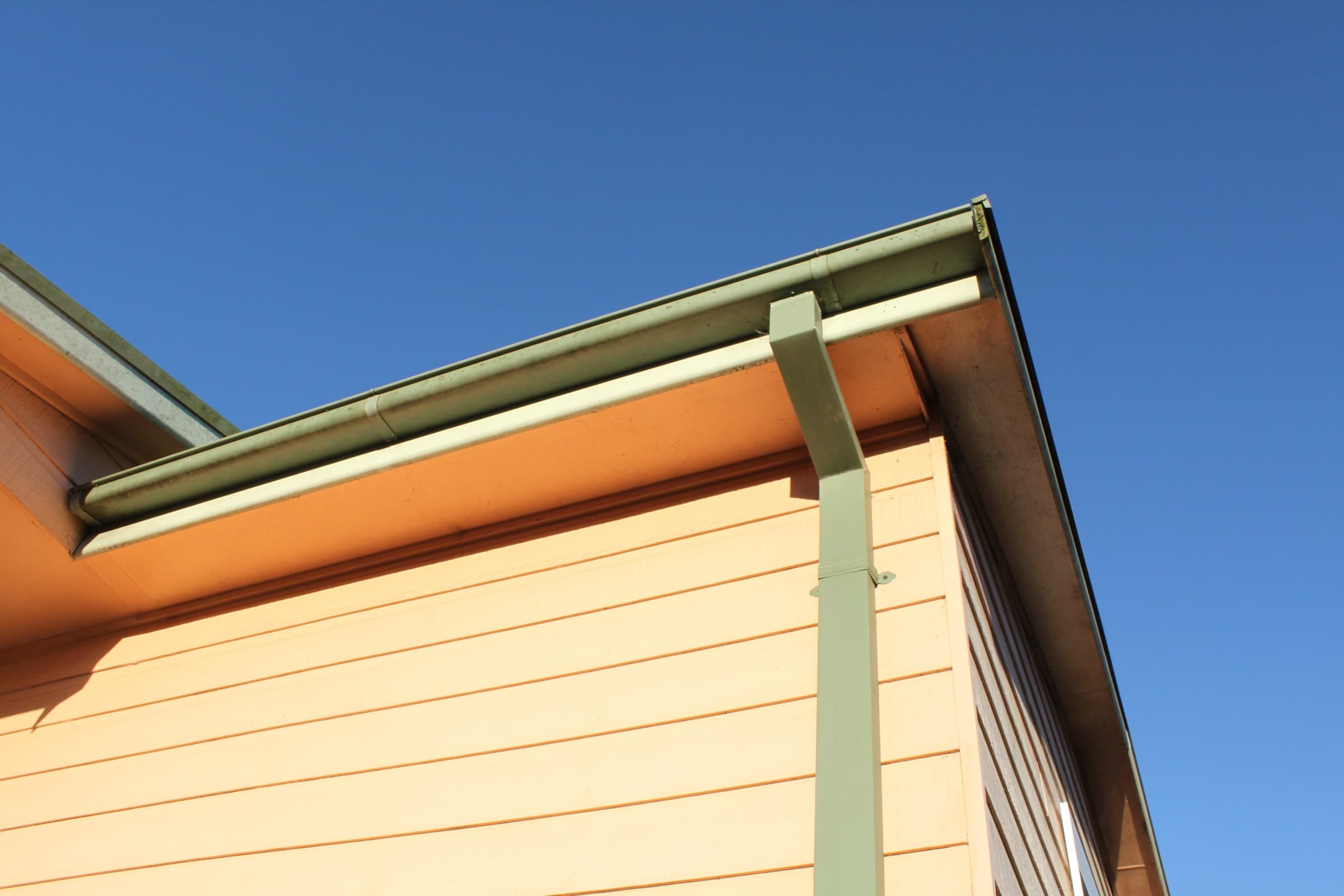
- Gutters and downspouts. A clogged gutter spills at the wall, and a downspout that ends beside the house empties right where you don’t want the water.
- Ground that slopes toward the house. The University of Illinois Extension recommends that finished grade fall at least 4% away from the foundation (Illinois Extension). Soil settles over the years, and many yards end up tilted the wrong way.
- Window wells. A well without a working drain fills like a bucket and spills over the sill.
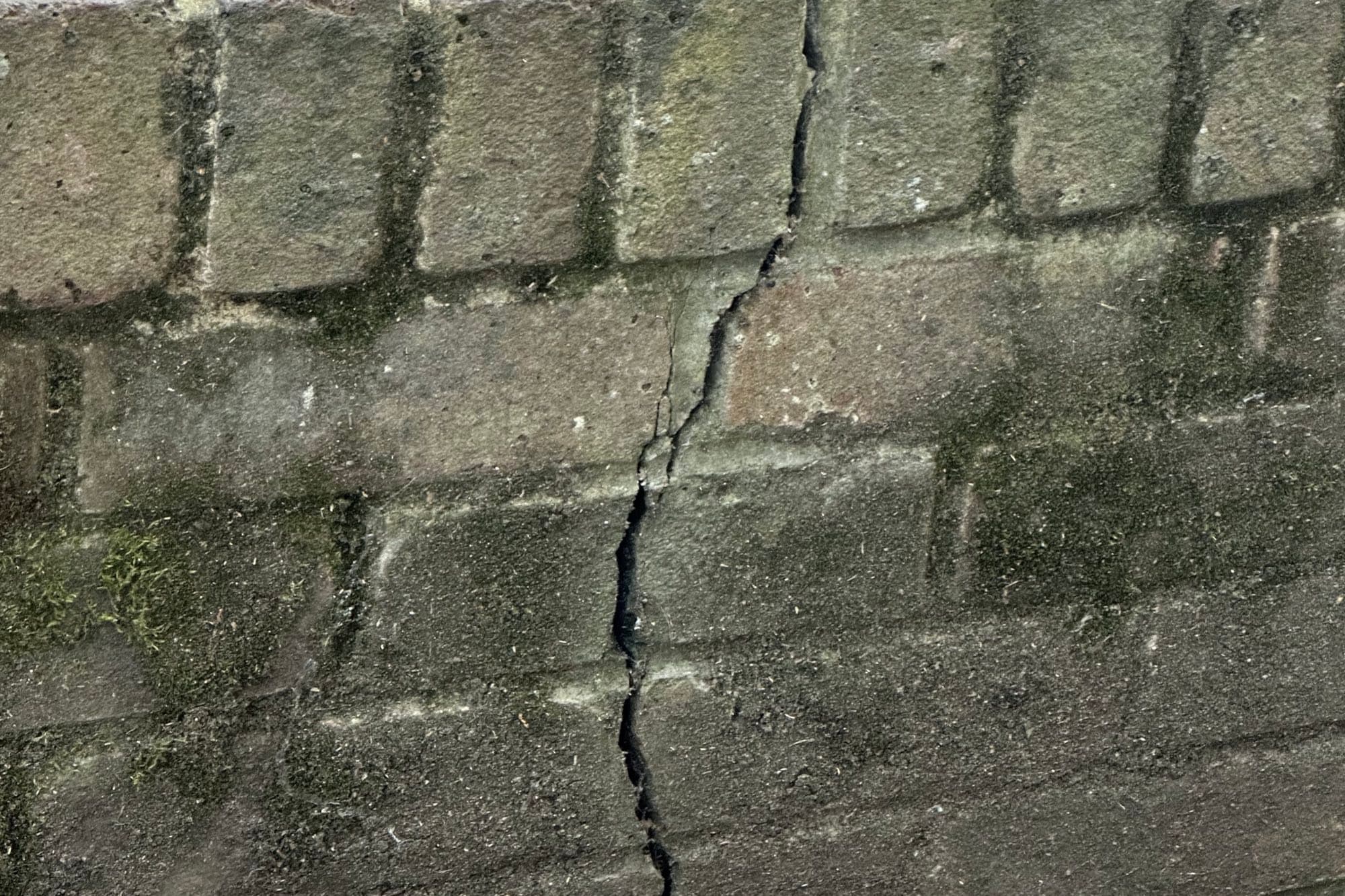
- Cracks in the wall. Most vertical cracks come from the concrete shrinking as it cured. They still let water through when the soil outside is wet. Horizontal cracks deserve a closer look, because they can mean the soil is pushing the wall in.
- The floor-wall joint. Where the wall meets the floor slab, two separate pours of concrete meet. Water pushed up by saturated soil often shows up there first.
How to read the signs
- When does it happen? Water that appears after a heavy rain or a quick snowmelt points outside first: gutters, downspouts, grading and window wells.
- Where does it appear? Water along the bottom edge of the wall suggests the floor-wall joint. A wet streak below a window points at the well.
- What is on the concrete? White, chalky residue is efflorescence: salts left behind as water moves through the concrete and dries. It isn’t harmful on its own, but it tells you water is getting through that wall.
Start outside
Two of the five causes cost very little to fix. Clean the gutters, make sure the downspouts carry water well away from the house, and check that the ground falls away from the foundation. If the water stops, you have saved yourself a much bigger job.
When the water comes from below
If the soil around your house stays saturated, as it can for weeks at a time on the slow-draining till here, water pushed in at the floor-wall joint won’t stop because the gutters are clean. That is the job interior drain tile does: a perforated pipe laid in gravel along the inside of the footing, below the floor, collects the water at the joint and carries it away.
Drain tile does nothing for a gutter that overflows or a yard that slopes toward the house. That is why a good diagnosis looks outside before it quotes anything inside.
A note on timing
Interior work can be done at any time of year, and crack injection works in temperatures down to about 40°F. Anything that needs digging outside waits for the ground to thaw, which in northern Illinois usually means spring. The state climatologist has recorded frost reaching about 30 inches down in far northern Illinois (Illinois State Climatologist).
If you are seeing water and want someone to look, tell us what’s going on.