
Water damage and mold remediation in Algonquin, Illinois
We find where the water came from, dry what can be saved, take out what can’t and put the room back. Mold gets removed, never painted over.
Serving Algonquin, Crystal Lake, St. Charles, Geneva and Vernon Hills.
Water still coming in?
We don’t run an emergency service, so we can’t promise a same-day visit. If water is still coming in or standing, call a company with an emergency line first, and stay out of standing water near outlets or the electrical panel. Once it has stopped, we dry it out, clean up and rebuild.
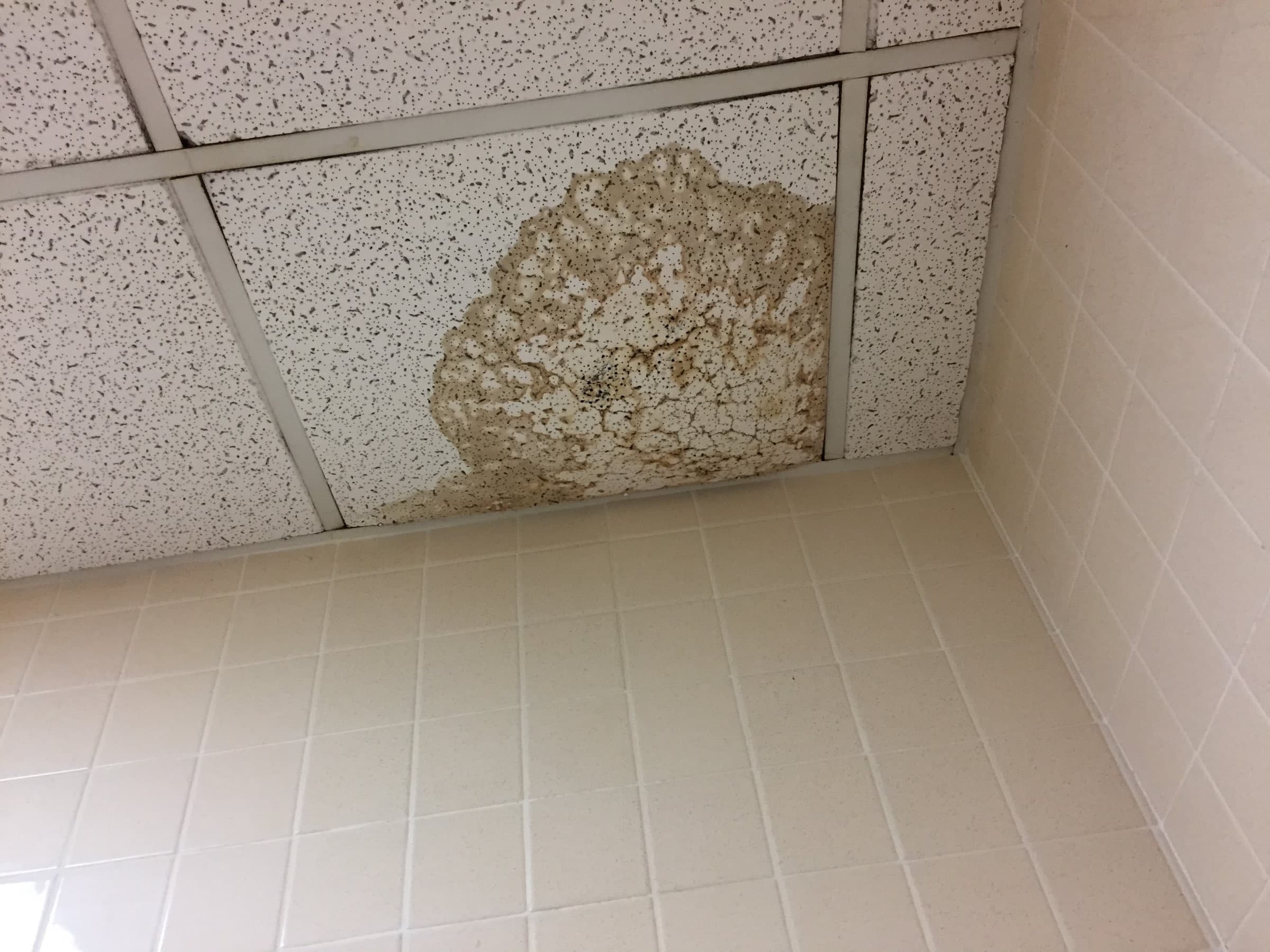
Signs of water damage or mold
- A pipe burst or a hose let go, and the floor got soaked
- A brown stain spreading across a ceiling or down a wall
- Carpet or drywall that’s still damp days later
- Baseboards or flooring that swelled, warped or lifted
- A musty smell that won’t go away
- Black or green spots on drywall, wood or the back of furniture
What’s included
Each part is done by an insured subcontractor holding any license or registration that trade requires.
Finding the source, and how far it spread
Where the water came from, what kind of water it was and how far it reached, measured with a moisture meter rather than guessed.
Water out, then drying
Standing water removed, then the space dried until the readings reach the goal set at the start, not just until it feels dry.
Taking out what can’t be saved
Soaked drywall, insulation, carpet and pad that can’t be dried in place. EPA notes that porous materials such as carpet and ceiling tiles may have to be thrown away once they grow mold.
Mold remediation
Mold removed and the area cleaned and dried, never painted or caulked over. Illinois doesn’t require a state registration for this work yet. When it does, the subcontractor doing it will hold one.
Putting the room back
Drywall, insulation, flooring and trim, so you’re left with a finished room rather than a dry shell.
How it works
- 1
We find the source
Drying only helps once the water has stopped. If a pipe or an appliance let go, it has to be repaired first, and that repair isn’t work we do. If the water came through a basement wall, we can fix that too.
- 2
We work out what kind of water it was
Clean water from a supply line is a different job from sewage or floodwater. The industry standard, IICRC S500, treats those as contaminated, cleaned up with containment and protective gear before any drying. Clean water that sits can turn contaminated too.
- 3
You get a written estimate
What comes out, what gets dried, what gets rebuilt and what each part costs.
- 4
Removal and drying
Wet materials that can’t be saved come out, mold is removed, and the space is dried until the readings reach the goal.
- 5
Then we rebuild
Drywall, insulation, flooring and trim go back once everything is dry, so nothing new is built over damp.
How it’s priced
Water damage is priced after we’ve seen it: how far the water spread, how long it sat, and how much has to come out and be rebuilt.
If there’s mold as well as water damage, both go on the same estimate.
What moves the price
- How far the water spread, and how long it sat
- Whether it was clean water, or sewage or floodwater
- How much has to come out: drywall, insulation, carpet, flooring
- Whether there’s mold, and how much
- What the rebuild includes, from drywall to trim
You get a written, itemized estimate after we’ve looked, and nothing starts until you’ve signed it.
Why us for this job
The source before the drying
Drying a room that will get wet again is money wasted. We find where the water came from first, and if the cause is outside the house, we tell you.
Dry by the readings
The industry standard for this work calls for a drying goal to be set at the start. Drying stops when the readings reach it, not when the room feels dry.
From wet to finished
Drying, mold remediation and the rebuild go on one estimate, so you end up with a finished room, not a dry shell and a second contractor to find.
Questions about water damage and mold remediation
What should I do first?
Stop the water if you can: shut off the main water valve where the water line comes into the house. Keep out of standing water near outlets, cords or the electrical panel, and if you’d have to step in water to reach the main breaker, call an electrician to turn the power off.
How soon does it need drying?
As soon as you safely can. EPA advises drying water-damaged areas and belongings within 24 to 48 hours to prevent mold growth.
Can you come out today?
We don’t run an emergency service, so we can’t promise a same-day visit. If water is still coming in or standing, a company with an emergency line will get there sooner. We can price the drying, removal and rebuild.
Can I clean up mold myself?
Often, if it’s small. EPA’s guidance is that a patch under about 10 square feet, roughly 3 feet by 3 feet, can usually be handled yourself. After sewage or floodwater, or if you suspect mold you can’t see, EPA suggests a professional.
Do I need a mold test?
Usually not. EPA says that where mold can be seen, sampling is in most cases unnecessary. What matters is removing it and fixing the moisture that let it grow.
Will the mold come back?
It can, if the moisture comes back. Some mold spores are always in indoor air and dust, and EPA notes they won’t grow without moisture, which is why the source gets fixed before anything is rebuilt.
Related services
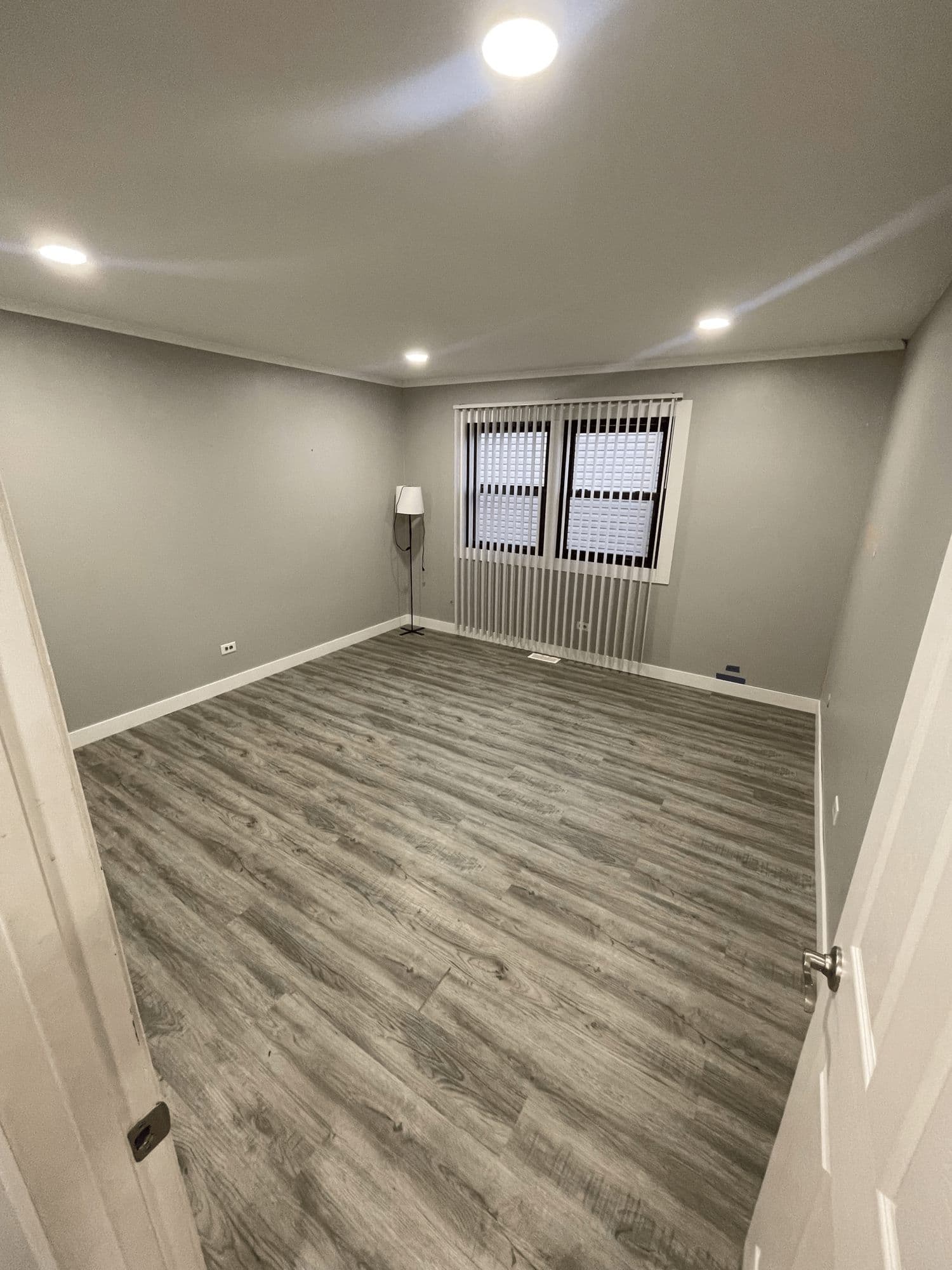
Flooring
Vinyl plank, laminate, engineered wood and tile, over a floor that’s tested and leveled first.
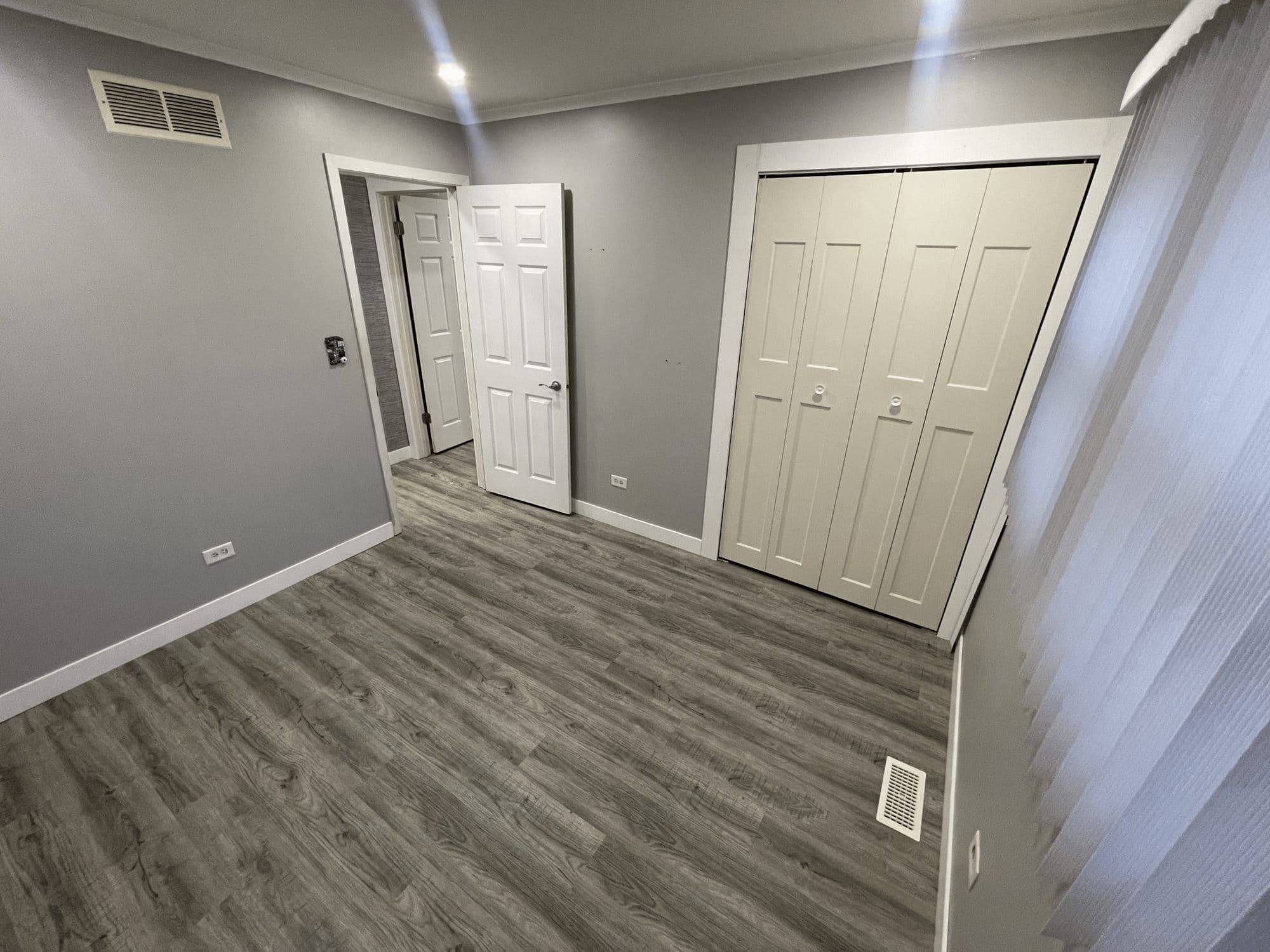
Painting
Walls, ceilings, trim and siding, patched, caulked and primed before the paint goes on.
Electrical panel upgrades
A panel and service upgrade from 100 to 200 amps, with the permit and ComEd arranged.
Garage floor coating
Epoxy and polyaspartic coatings, over a slab that’s tested and ground first.
From the blog
All repairs and upgrades articles
Repairs and upgrades · Planning
Can vinyl plank flooring go over basement concrete?
What to check about moisture, slab condition and product instructions before installing vinyl plank on a basement floor.
Water damage, worn floors or walls that need paint?
Tell us what’s going on. We’ll come out, look and give you a written estimate before any work starts.
Someone from our team calls or texts to set up a visit.