
Siding replacement in Algonquin, Illinois
New siding is only as good as the wall behind it. When the old siding comes off, we check the sheathing and the flashing at every window and door before anything new goes on.
Serving Algonquin, Crystal Lake, St. Charles, Geneva and Vernon Hills.
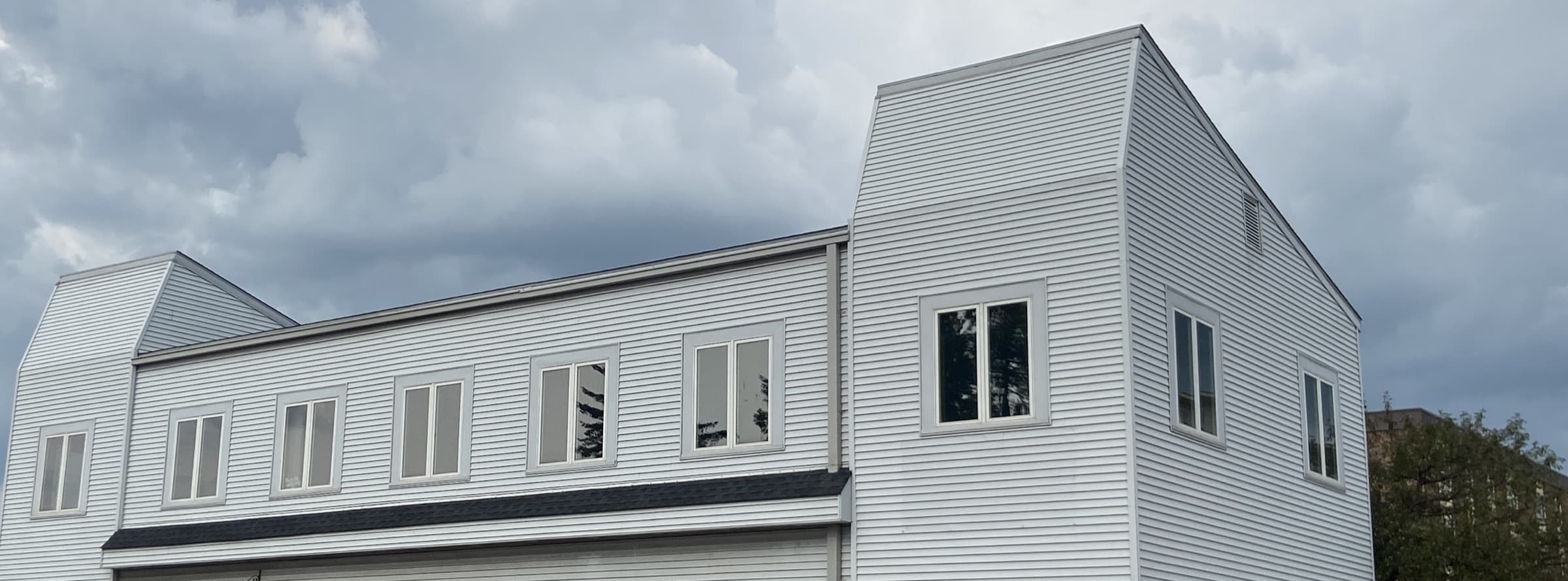
Signs your siding is due for replacement
- Cracked, warped or loose pieces, or pieces missing after a storm
- Boards that feel soft, or paint that keeps peeling
- Water stains inside, under a window or low on an outside wall
- Siding so faded it leaves a chalky film on your hand
- You’re getting ready to sell, or you’re tired of how it looks
What’s included
Siding is the outer layer. The water barrier and flashing behind it keep rain out of the wall, so they are part of every job.
A look at the wall first
The siding, the trim and the flashing around windows and doors from outside, and any stains under windows from inside.
Old siding off
Taken off down to the sheathing and hauled away, not covered over. Any soft or rotted sheathing is shown to you before it is repaired, at a price set on your estimate.
A new water barrier
House wrap or felt over the whole wall, lapped so water runs down and out. The code requires a barrier behind siding, and Crystal Lake inspects it before the siding goes on.
Flashing at every opening
Flashing around windows and doors, above trim and where a deck meets the wall, lapped into the water barrier. The trim channel that holds vinyl siding at a window doesn’t count as flashing.
Vinyl or fiber cement
Both priced on your estimate, with the trim and corners to match.
The permit
Replacing siding needs a permit in all five towns we work in. It’s part of the job.
How it works
- 1
We look at the wall
Outside for damage, soft spots and missing flashing, and inside for stains under windows.
- 2
You get a written estimate
Vinyl or fiber cement, the trim, the water barrier, the flashing, the permit, and a set price for any sheathing that needs replacing.
- 3
Old siding off, wall checked
Anything soft or rotted is shown to you before it is repaired.
- 4
Water barrier and flashing
A barrier that runs unbroken from the top of the wall to the foundation, and flashing at every window and door. Geneva asks for photos of the barrier on every re-siding job.
- 5
New siding, then the inspection
The siding and trim go on, and the town inspects the finished wall.
How it’s priced
We price siding after we’ve measured the house. Vinyl costs less than fiber cement, and the size of the house and the trim and flashing around windows and doors move the price most.
Comparing quotes? Check that each one takes the old siding off, puts a new water barrier over the whole wall and flashes every window and door. Those are the parts you can’t see once the siding is up.
What moves the price
- The size of the house, and one story or two
- Vinyl or fiber cement
- How many windows and doors need flashing and trim
- Soffit and fascia, if they are being replaced too
- How much sheathing needs replacing
You get a written, itemized estimate after we’ve looked, and nothing starts until you’ve signed it.
What can happen now, and what waits for spring
Any time of year
- The visit, the measurements and the written estimate
- Choosing vinyl or fiber cement, and the color
- A date on the calendar for the warmer months
Spring to fall
- Taking off the old siding and putting up the new
Why us for this job
We check what’s behind it
Rot and missing flashing hide under old siding. We look when it comes off and show you what we find before anything is covered up.
Real flashing at every opening
The channel that holds vinyl siding around a window is trim, not flashing. Crystal Lake’s siding rules say so in writing, and every window and door on your house gets flashed.
One team answers for the job
We measure, write the estimate and manage the job through the town’s inspection. An insured subcontractor does the installation.
Questions about siding replacement
Do I need a permit to replace siding?
Yes, in all five towns we work in. Algonquin and Crystal Lake let you repair up to 200 square feet without one, but replacing the siding needs a permit, and it’s part of the job.
Vinyl or fiber cement?
Vinyl costs less than fiber cement. Either one needs the same water barrier and flashing behind it. We price both on your estimate, so you can compare.
Can new siding go over the old siding?
We take the old siding off. The water barrier and flashing behind it are what keep water out of the wall, and they can’t be checked or replaced through old siding.
Why is vinyl siding nailed loose?
Vinyl grows and shrinks with the temperature, half an inch or more over a 12½-foot piece. The Vinyl Siding Institute has installers leave about a dime’s thickness under each nail head so the siding can slide; nailed tight, it buckles.
Can siding go on in winter?
Vinyl can, with extra room at the trim: below 40°F the Vinyl Siding Institute calls for 3/8 inch instead of 1/4 inch, because siding put up in the cold grows when it warms. We still book siding for spring to fall, and winter is a good time for the visit and the estimate.
Is my house in a historic district?
If it is, the town has to approve outside changes before the permit. Algonquin needs a certificate of appropriateness, and Geneva and St. Charles send the job to their historic preservation commissions. We check before we price the job.
Related services
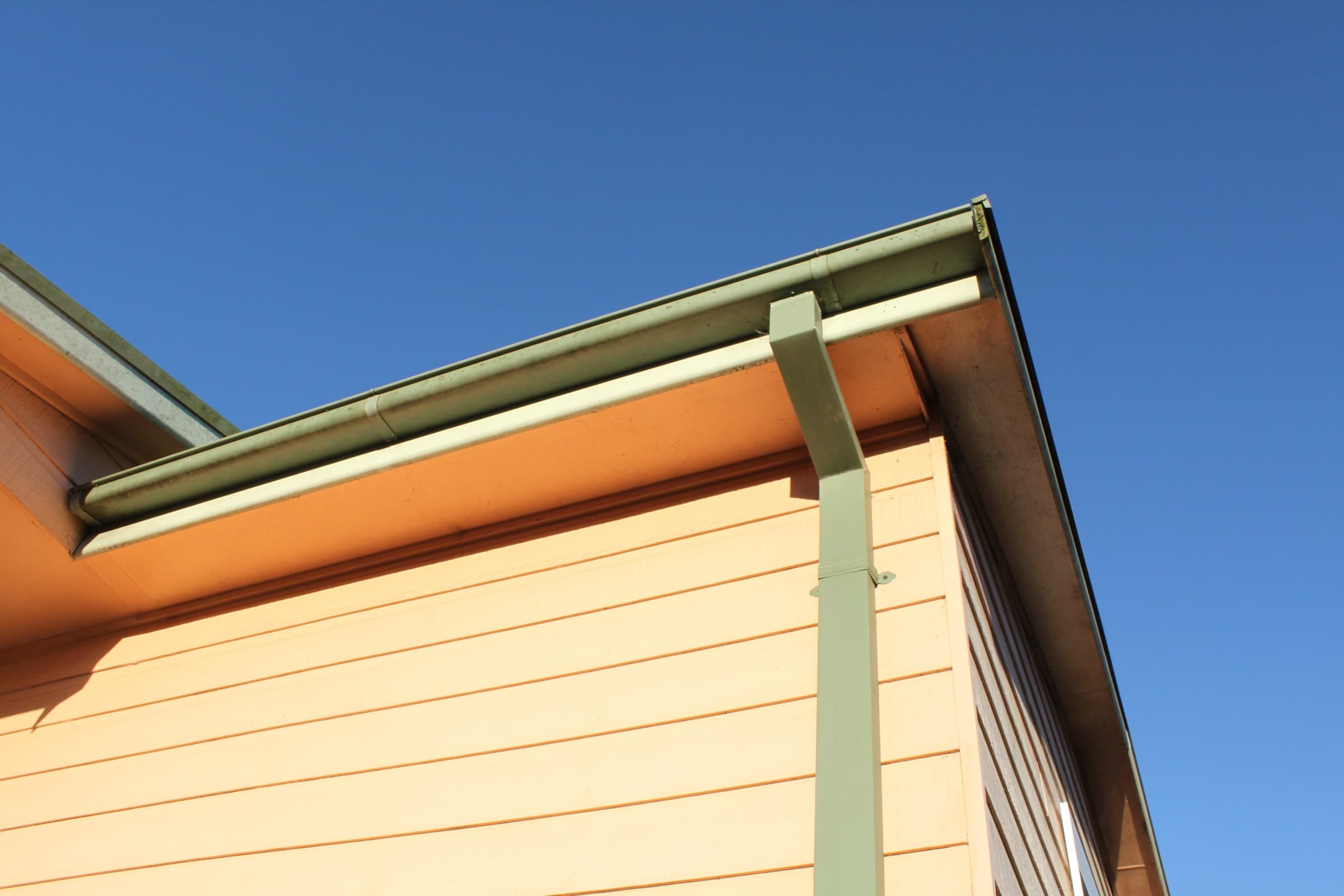
Gutter replacement
Seamless gutters and downspouts that carry water away from the foundation.
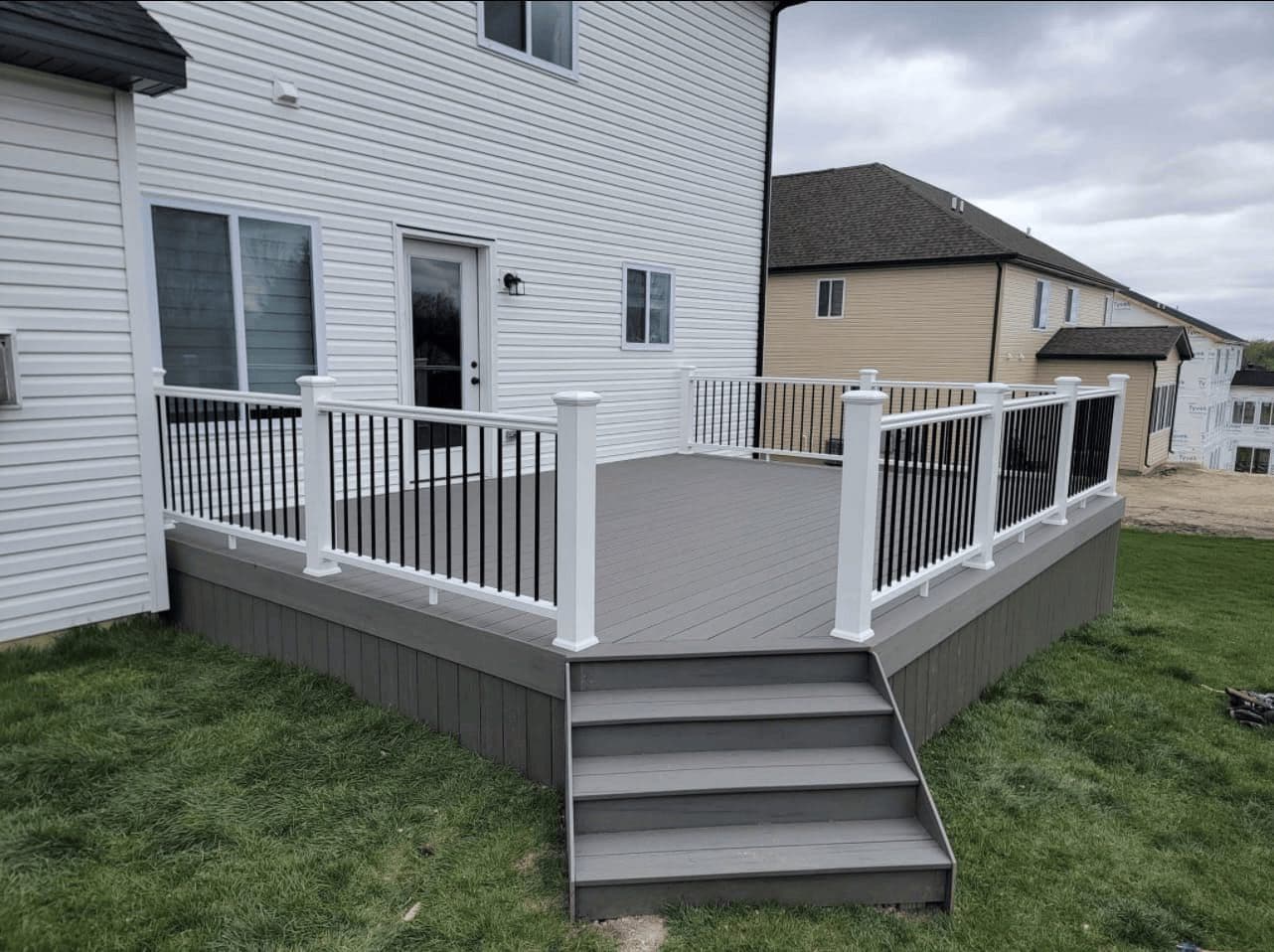
Deck building
Composite decks on a pressure-treated frame, set on footings below the frost line.
From the blog
All exterior articlesExterior · Diagnosis
Gutters overflowing: do they need cleaning, repair or replacement?
What overflow, leaking joints and water near the foundation can tell you, and what to ask before replacing your gutters.
Time to redo the outside?
Tell us what you’re seeing. We’ll come out, look it over and give you a written estimate. Outside work is booked for the warmer months.
Someone from our team calls or texts to set up a visit.